


The mid taper fade mullet is one of the most versatile modern men’s haircuts in 2026. It combines clean, gradually tapered sides with longer hair at the back. The result is a stylish balance between a sharp contemporary haircut and the relaxed appearance of a traditional mullet.
This haircut works with straight, wavy, curly, and thick hair. You can keep it short and professional or add layers, fringe, and natural texture for a more noticeable look. The mid taper also creates a clean outline around the temples, ears, and neckline.
Choosing the right version depends on your hair type, face shape, preferred back length, and daily styling routine. Some men prefer a classic mid taper mullet, while others choose shaggy layers or a curly finish.
In this guide, you will discover eight of the best mid taper fade mullet styles, how to choose the right variation, what to tell your barber, and how to maintain the haircut throughout 2026.
Mid Taper Fade Mullet Explained: What Makes This Combo Work
A mid taper fade mullet combines a mid-height taper around the temples and sides with longer hair through the crown and back. The sides gradually become shorter near the ears and neckline, while the back retains enough length to create the recognizable mullet silhouette.
The mid taper usually starts around the middle of the temple area. It provides more contrast than a low taper without removing as much side weight as a high fade. The longer back gives the haircut its distinctive character.
Three elements make this combination successful:
- Clean sides: The taper removes unnecessary bulk around the temples and ears.
- Balanced crown: The crown connects the shorter sides with the longer back.
- Controlled length: The nape stays longer to create a natural mullet shape.
A good barber also considers your natural hair growth, density, and head shape. Too much weight around the crown can create a bulky appearance. Removing too much length can make the haircut look disconnected.
One important distinction is that a taper does not always expose the scalp. A skin fade goes shorter and creates stronger contrast. Tell your barber which finish you prefer before cutting begins.
Why It’s Everywhere in 2026
Modern mullet hairstyles have returned with cleaner finishes and more personalized styling. The mid taper version makes the traditional shape easier to wear because the sides look controlled while the back keeps its movement.
Social media, barber demonstrations, celebrity-inspired grooming, and short-form haircut videos have helped make textured mullets more visible. However, the appeal is not only about trends. The haircut offers several ways to express personal style.
Here is why men are choosing it:
- It combines retro character with modern barbering.
- It works with different natural hair textures.
- It can be customized with fringe, layers, and scissor detailing.
- It creates a distinctive profile from the side and back.
- It can be adjusted for casual and professional environments.
The biggest advantage is flexibility. You do not need an extremely long or dramatic mullet to enjoy this haircut. A shorter back and softer taper can create a more understated version.
Pros and Cons: What You’re Signing Up For
Every haircut has advantages and limitations. Consider these points before choosing a mid taper fade mullet.
| Pros | Cons |
| Modern and distinctive appearance | Requires regular trimming |
| Works with several hair textures | Back length takes time to grow |
| Clean sides and natural movement | Poor blending can ruin the shape |
| Multiple styling options | Some versions need daily styling |
| Customizable for different ages | May not suit strict dress codes |
Overall: This haircut is a strong choice if you enjoy textured hairstyles and do not mind maintaining the sides. If you prefer a completely effortless haircut, a standard short taper may be easier.
8 Best Mid Taper Fade Mullet Styles
These eight styles cover different preferences, from simple everyday haircuts to more creative variations. Choose one that matches your natural texture and the amount of attention you want your haircut to attract.
Classic Cuts: The Everyday Options
1. Classic Mid Taper Mullet

The classic mid taper mullet is the best starting point for men trying this haircut for the first time. It features neatly tapered sides, a moderately textured top, and longer hair at the back.
The transition between the crown and nape should look natural. Avoid an extremely short top because it can make the back appear disconnected.
Best for: Straight, wavy, and medium-density hair.
Styling tip: Apply a small amount of matte cream and brush the top backward or slightly forward. Keep the back natural rather than forcing it into a stiff shape.
2. Wavy Mid Taper Mullet
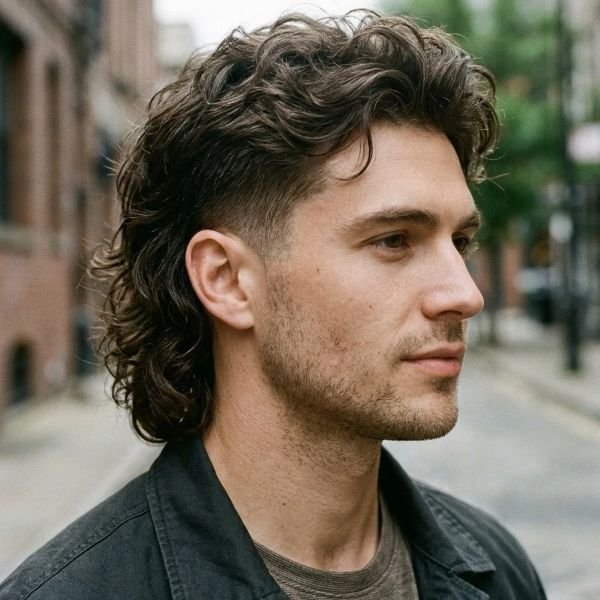
Natural texture and relaxed movement
The wavy mid taper mullet uses natural waves to create movement through the crown and back. The sides remain clean, while the longer sections provide a relaxed, flowing appearance.
This variation is particularly attractive for men with naturally loose waves. Soft layers prevent the back from looking heavy or uneven.
Best for: Naturally wavy and medium-length hair.
Styling tip: Use lightweight texturizing cream or sea salt spray. Scrunch the back gently while drying to preserve the natural wave pattern.
3. Curly Mid Taper Mullet

The curly mid taper mullet creates a fuller and more noticeable hairstyle. Natural curls add volume to the crown and back, while the tapered sides keep the overall silhouette balanced.
Ask your barber to consider curl shrinkage before removing length. Curly hair often looks considerably shorter after drying. Keeping additional length through the back can help preserve the intended shape.
Best for: Curly, coily, and naturally dense hair.
Styling tip: Apply a lightweight leave-in conditioner or curl cream. Avoid excessive brushing because it can disturb curl definition.
Textured Cuts: More Movement, More Attitude
4. Textured Mid Taper Mullet

The textured mid taper mullet is ideal for men who prefer a slightly messy appearance. The top features choppy layers, while the back has enough separation to create visible movement.
The barber can use point cutting and controlled layering to remove unnecessary weight. This makes the haircut look less uniform and more natural.
Best for: Thick and medium-density hair.
Styling tip: Work a small amount of matte paste through the ends. Use your fingers to separate individual sections.
5. Shaggy Mid Taper Mullet

The shaggy mid taper mullet combines the layered appearance of a shag haircut with the recognizable mullet silhouette. It features feathered sections, a textured crown, and a longer back.
Unlike a classic mullet, this version looks softer and more relaxed. The layers create movement around the face and prevent the back from appearing too heavy.
Best for: Wavy, thick, and medium-length hair.
Styling tip: Use a lightweight styling cream. Let some natural strands fall around the forehead for a casual finish.
Detail Work: Built for Barbers Who Cut
6. Mid Taper Mullet with Scissorwork
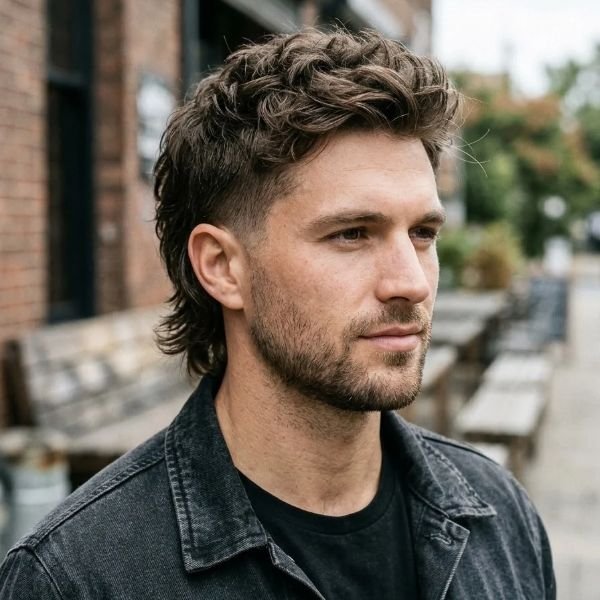
This variation combines clipper precision with detailed scissor cutting. The sides receive a controlled mid taper, while the top, crown, and back are shaped with scissors.
Scissorwork is particularly useful when you want a softer transition rather than an extremely uniform finish. It also allows the barber to remove bulk without making every section look equally short.
Best for: Straight, wavy, and thick hair.
Styling tip: Use a light styling cream and direct the top backward. Keep the layers visible rather than flattening them.
7. Mid Taper Mullet with Fringe

A mid taper mullet with fringe adds a front detail that changes the entire appearance. The fringe can be short and textured, slightly messy, or longer and swept across the forehead.
This version works well for men who want more styling options around the front. It can also help balance longer face shapes when the fringe is kept at an appropriate length.
Best for: Straight, wavy, and textured hair.
Styling tip: Use a small amount of matte product to separate the fringe. Avoid excessive volume if you want a natural finish.
Business-Friendly Versions
8. Business Mid Taper Mullet
The business mid taper mullet is a cleaner, more restrained version of the modern mullet. It keeps the sides neat, the top controlled, and the back moderately short.
There are no extreme layers or dramatic length differences. The goal is to maintain the haircut’s character without making it look overly rebellious.
Best for: Professionals, office workers, and men who prefer polished grooming.
Styling tip: Use a light-hold cream and comb the top into a neat direction. Keep the neckline and sideburns regularly maintained.
Choosing by Hair Type: What Actually Holds the Shape
Your natural hair texture affects how the mid taper fade mullet looks after cutting. A barber should adjust the layering, crown weight, and back length instead of using the same technique for everyone.
Straight Hair
Straight hair makes the haircut’s layers and shape more visible. However, fine straight hair can appear flat without enough volume.
Ask for subtle layers around the crown and top. A lightweight volumizing product can help create lift without making the hair stiff.
Wavy Hair
Wavy hair naturally supports the flowing shape of a mullet. It creates movement through the back and helps soften the transition between the top and longer sections.
Keep the layers aligned with your natural wave pattern. Avoid excessive thinning that could make the ends appear weak.
Curly Hair
Curly hair provides natural volume and a fuller appearance. The barber should account for shrinkage and avoid removing too much length from the crown.
A curl-friendly cutting approach helps preserve definition. Use conditioner and curl cream to keep the back manageable.
Thick Hair
Thick hair can create an excellent mullet silhouette, but too much weight may make the crown look bulky.
Ask for internal layering and controlled weight removal. Keep enough density at the back to maintain a strong shape.
Face Shape Matchups
Face shape is useful when deciding the top volume, fringe length, and back proportions. These are styling suggestions, not strict rules.
Oval Face
Oval faces offer considerable flexibility. Classic, curly, textured, and shaggy variations can all work well. Choose the length and finish according to your personal preference.
Round Face
A slightly taller crown and textured top can create a more elongated appearance. Avoid excessive width around the temples.
Square Face
Soft layers and natural movement can complement a strong jawline. A classic or wavy version is a balanced option.
Heart-Shaped Face
Keep enough fullness around the lower sides and back to balance a wider forehead. A softer fringe can also work well.
Long Face
Avoid adding too much height to the crown. A fringe or side-swept top can create better visual balance.
Diamond Face
Maintain controlled volume around the temples and avoid making the sides excessively narrow. Textured layers can soften prominent cheekbones.
Rectangular Face
Choose moderate crown height and some side volume. A shorter fringe and balanced back length can prevent the haircut from making the face appear longer.
Age Group Breakdown
Teenagers
Teenagers can experiment with curly, shaggy, or textured mid taper mullets. School grooming policies should be considered before choosing a dramatic version.
Young Men
Young men have plenty of options, including classic, wavy, fringe, and scissorwork variations. A textured version offers a modern casual appearance.
Professional Men
Professionals can choose a shorter business mullet with a softer taper. Keeping the neckline clean and the back controlled makes the haircut easier to wear in formal settings.
Talking to Your Barber: The Exact Guard Numbers
Clear instructions help your barber understand the result you want. Guard numbers are useful starting points, but they do not guarantee the same finish across different clipper brands or techniques.
| Guard | Approximate remaining length | Common use |
| #0.5 | 1.5 mm | Very short taper |
| #1 | 3 mm | Tight lower section |
| #1.5 | 4.5 mm | Soft transition |
| #2 | 6 mm | Moderate side length |
| #3 | 10 mm | Fuller upper sides |
| #4 | 13 mm | Longer blended section |
What to tell your barber:
“I want a mid taper fade mullet. Start the taper around my temples, keep the blend smooth, and leave enough length at the crown to connect naturally with the back. Keep the nape longer and add light layers based on my hair texture. Do not cut the back too short.”
Also discuss these details:
- Whether you want a skin, shadow, or guarded finish.
- How much length you want at the back.
- Whether the neckline should be natural, rounded, or squared.
- How much texture you want on top.
- Whether you prefer a fringe or a pushed-back style.
Bring reference photos showing the front, side, and back. These angles help communicate the exact shape.
Video Guide: Watch the Blend in Action
A haircut demonstration can help you understand how the barber creates a smooth taper and preserves the longer back. Pay particular attention to the temple transition, crown connection, and neckline detailing.
The most important thing to observe is how the barber removes side weight without cutting away the hair needed for the mullet silhouette.
Common Mistakes That Ruin a Mid Taper Mullet
Even a good haircut idea can produce poor results when the proportions are wrong.
Avoid these common mistakes:
- Cutting the back too short: This removes the defining mullet shape.
- Creating a harsh crown gap: The top and back should connect naturally.
- Choosing the wrong taper height: A high transition may create more contrast than expected.
- Removing too much bulk: Excessive thinning can make the back look weak.
- Ignoring natural texture: Straight and curly hair require different cutting approaches.
- Using excessive styling product: Heavy products can flatten movement.
- Skipping regular trims: Untidy sides can make the entire haircut look unfinished.
Maintenance Reality Check
A mid taper fade mullet needs regular attention to maintain its shape. The sides generally require more frequent trimming than the longer back.
Taper Touch-Up Frequency
Most men can consider a taper refresh every two to four weeks, depending on hair growth and preferred sharpness. A softer guarded finish may remain presentable longer than a very close skin finish.
A complete reshaping can usually be scheduled around four to six weeks, depending on how quickly the hair grows.
Back Section Care
The longer back needs regular conditioning and occasional trimming. Remove damaged ends without sacrificing too much length.
Ask your barber to preserve the shape around the nape instead of simply cutting everything to one length.
Daily Styling
A simple daily routine is usually enough:
- Start with slightly damp hair.
- Apply a small amount of suitable styling product.
- Shape the crown with your fingers.
- Direct the back according to its natural growth.
- Allow the hair to dry without disturbing its texture.
Washing Routine
Choose your washing schedule according to scalp condition and hair texture. Straight hair may need more frequent washing than dry, tightly curled hair.
Use a suitable shampoo and conditioner. Avoid aggressive towel rubbing and excessive heat.
Mullet vs Standard Mid Taper
A standard mid taper keeps the sides and back relatively short and balanced. A mid taper mullet preserves additional length at the nape.
| Feature | Mid taper | Mid taper mullet |
| Back length | Short and neat | Noticeably longer |
| Overall look | Traditional and clean | Modern and distinctive |
| Styling | Usually simple | Depends on back texture |
| Maintenance | Regular taper refresh | Taper and back shaping |
Mullet vs Wolf Cut
A mullet emphasizes shorter sides and a longer back. A wolf cut relies more on layered volume throughout the top, sides, and back.
The mid taper mullet looks cleaner around the temples, while a wolf cut usually has a softer, shaggier silhouette.
Mullet vs Flow Cut
A flow cut features longer hair that moves naturally backward or around the sides. A mullet creates more noticeable length contrast between the front and back.
Choose a flow cut for a softer, more uniform appearance. Choose a mid taper mullet when you want clean sides and a recognizable longer nape.
Frequently Asked Questions
1. What is a mid taper fade mullet?
It is a modern men’s haircut with gradually tapered sides, a controlled crown, and longer hair at the back to create a mullet shape.
2. Is a mid taper mullet good for straight hair?
Yes. Straight hair works well with this haircut, especially when the barber adds subtle layers and enough crown volume.
3. How long should the back be for a mullet?
There is no fixed length. A few inches of additional length can create a visible mullet shape, depending on your haircut and natural texture.
4. How often should I maintain a mid taper fade mullet?
Consider refreshing the taper every two to four weeks and reshaping the overall haircut approximately every four to six weeks.
5. Does a mid taper mullet suit round faces?
Yes. A textured top with moderate height can create a more balanced appearance. Your barber can adjust the side volume and back length.
6. Can I get a professional mid taper mullet?
Yes. Choose a shorter back, a softer taper, controlled layers, and a neat neckline. Workplace grooming policies may vary.
7. Is a mid taper mullet different from a wolf cut?
Yes. A mid taper mullet has cleaner tapered sides and a longer back, while a wolf cut uses extensive layers and volume throughout the hairstyle.
Conclusion
The mid taper fade mullet is a versatile men’s haircut that combines clean barbering with natural length and texture. Its biggest advantage is customization. You can choose a classic shape, a wavy finish, defined curls, shaggy layers, or a more professional version.
Before choosing a style, consider your hair type, face shape, preferred back length, and maintenance routine. Communicate the taper height and neckline clearly to your barber. Reference photos can also prevent misunderstandings.
Whether you want a subtle everyday haircut or a bold modern look, the right mid taper mullet can create a distinctive appearance without sacrificing clean grooming. Choose proportions that work with your natural hair rather than following a trend blindly.

Liam Joseph Miller is a fashion writer and content creator who enjoys exploring the latest fashion trends, outfit ideas, hairstyles, and styling tips. He focuses on creating simple, useful, and easy-to-read content for readers who want fresh inspiration for their personal style.
